
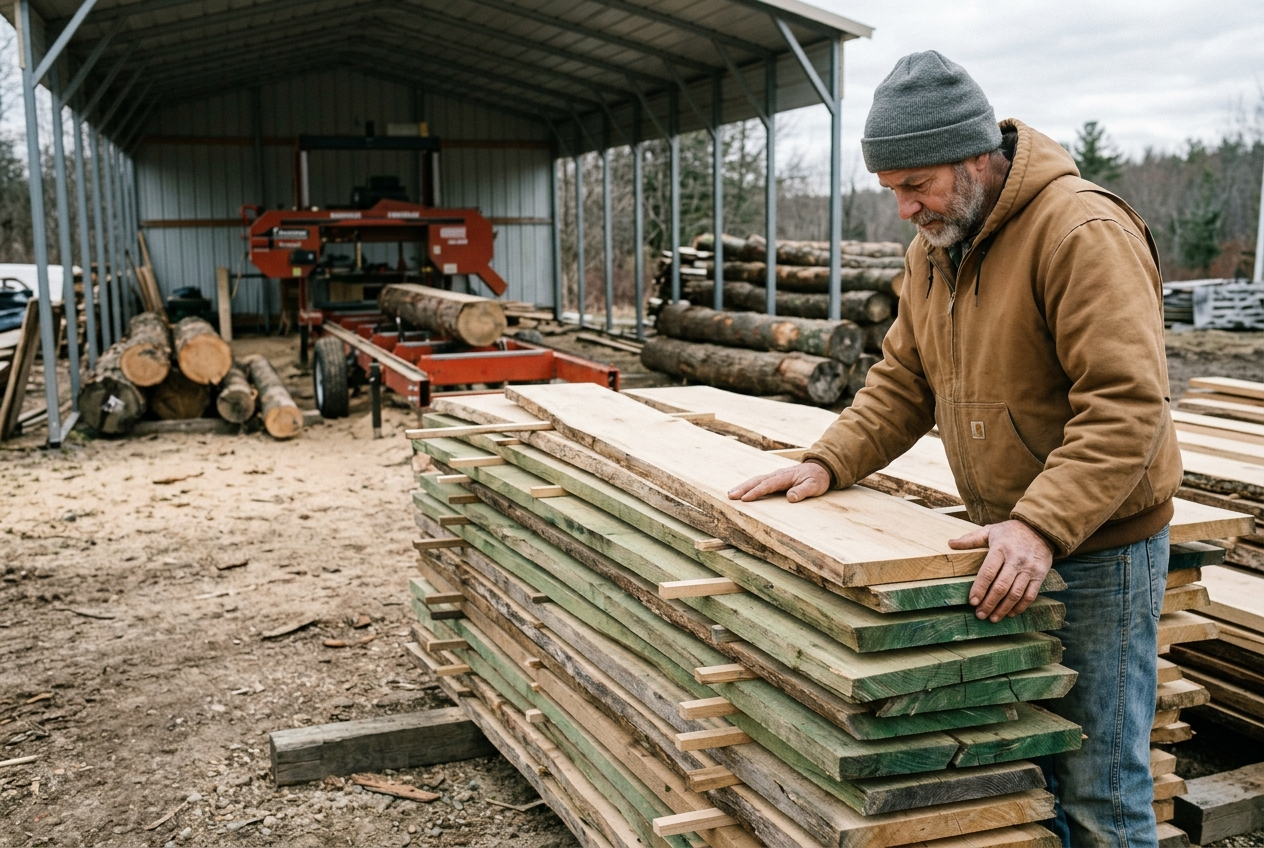
Small sawmill operators face an important decision when pursuing forest certification: choosing between Forest Stewardship Council (FSC) and Sustainable Forestry Initiative (SFI) standards. Both certifications verify sustainable forestry practices, but they differ in their standards, costs, and market recognition. For small sawmills in North America, SFI typically offers a more accessible certification pathway with moderate costs and strong regional acceptance, while FSC provides stronger global recognition but comes with more stringent requirements and higher expenses.
The choice between these two predominant certifications affects everything from audit requirements to customer access. Small operations must balance certification costs against potential market benefits. Understanding how each system works helps sawmill owners make informed decisions about which path aligns with their business goals and available resources.
This guide breaks down the practical aspects of both certification systems for small sawmill operators. It covers the specific requirements each standard demands, the steps involved in getting certified, and the real costs small operations can expect. The information also explores how different certifications open doors to various markets and what ongoing commitments certified sawmills must maintain.
Last Updated: June 2026 | Will Montgomery has researched forest certification standards as part of establishing a sustainable wood-cutting operation. This guide reflects real-world considerations for small sawmill operators pursuing FSC or SFI status.
Understanding Forest Certification Standards
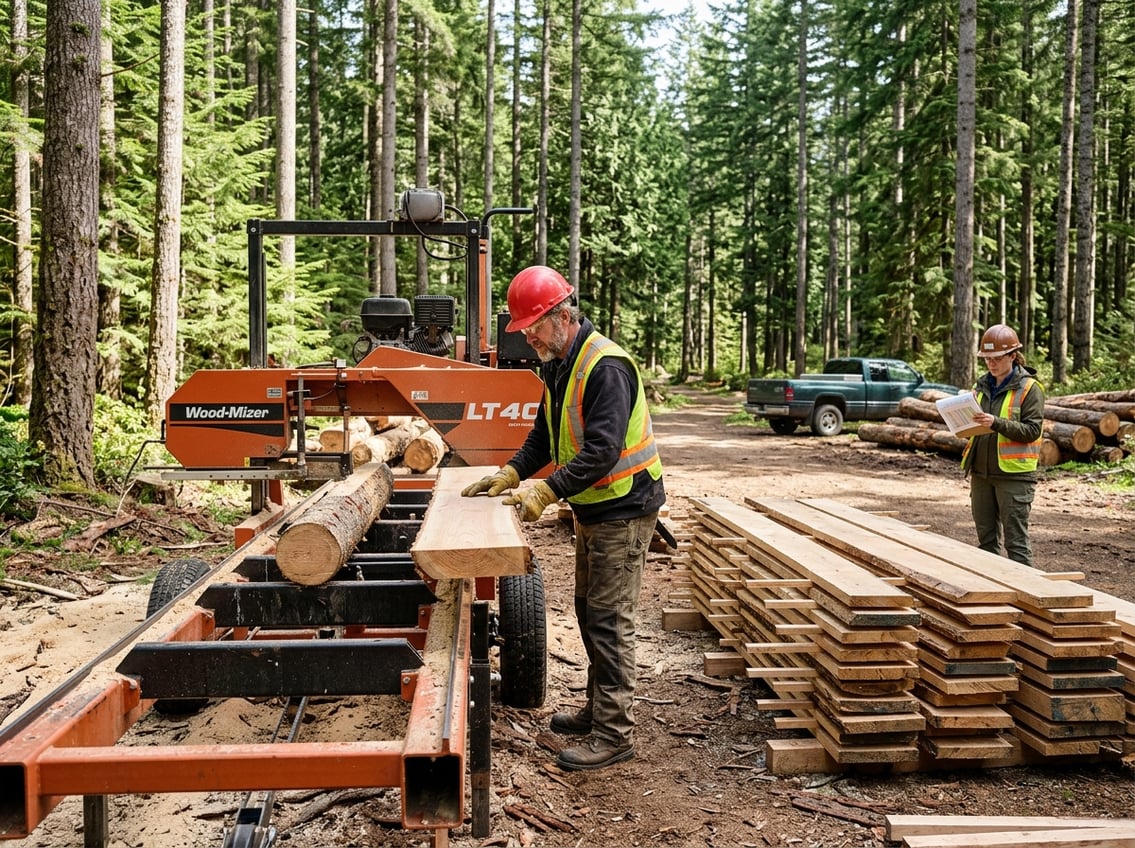
Forest certification programs provide third-party verification that lumber comes from responsibly managed forests. Both FSC and SFI offer voluntary certification systems that encourage sustainable forest management through specific social, environmental, and economic requirements.
What Is FSC Certification
The Forest Stewardship Council (FSC) is an international certification system founded in 1993. FSC certification verifies that wood, paper, and other forest products come from well-managed forests or recycled materials.
FSC offers three types of certificates:
- FSC Forest Management (FM) – Certifies forest operations
- FSC Chain of Custody (CoC) – Tracks certified materials through production
- FSC Controlled Wood – Verifies wood from acceptable sources
The certification operates globally with regional standards. In North America, FSC has 13 different regional standards that vary by location. These standards address environmental protection, workers’ rights, and Indigenous peoples’ rights. Small sawmill operators must meet specific criteria related to forest management practices, wildlife habitat protection, and community engagement.
What Is SFI Certification
The Sustainable Forestry Initiative (SFI) was created specifically to certify forests in North America. SFI uses one forest certification standard that applies across the United States and Canada.
SFI certification includes three main standards:
- Sustainable Forest Management – For forest landowners
- Fiber Sourcing – For companies purchasing wood
- Chain of Custody – For tracking certified materials
The program focuses on science-based forest management, biodiversity conservation, and protection of water quality. SFI requires certified organizations to work with local communities and respect Indigenous peoples’ rights. The single standard approach makes implementation more consistent across different regions.
Why Certification Matters for Lumber Producers
Certification opens access to markets that require verified sustainable products. Many retailers, builders, and manufacturers only purchase certified lumber to meet their environmental commitments.
Both FSC and SFI follow rigorous assessment procedures including compliance evaluation, on-site audits, and documentation review. Third-party auditors conduct these assessments to ensure impartiality.
Certified sawmills can command premium prices for their products. They also demonstrate responsible practices to customers and regulators. The certification process helps operators identify areas for improvement in their forest management and production methods.
Some green building programs award points for certified lumber. This increases demand from construction projects seeking environmental certifications.
Comparing FSC and SFI: Key Differences and Similarities
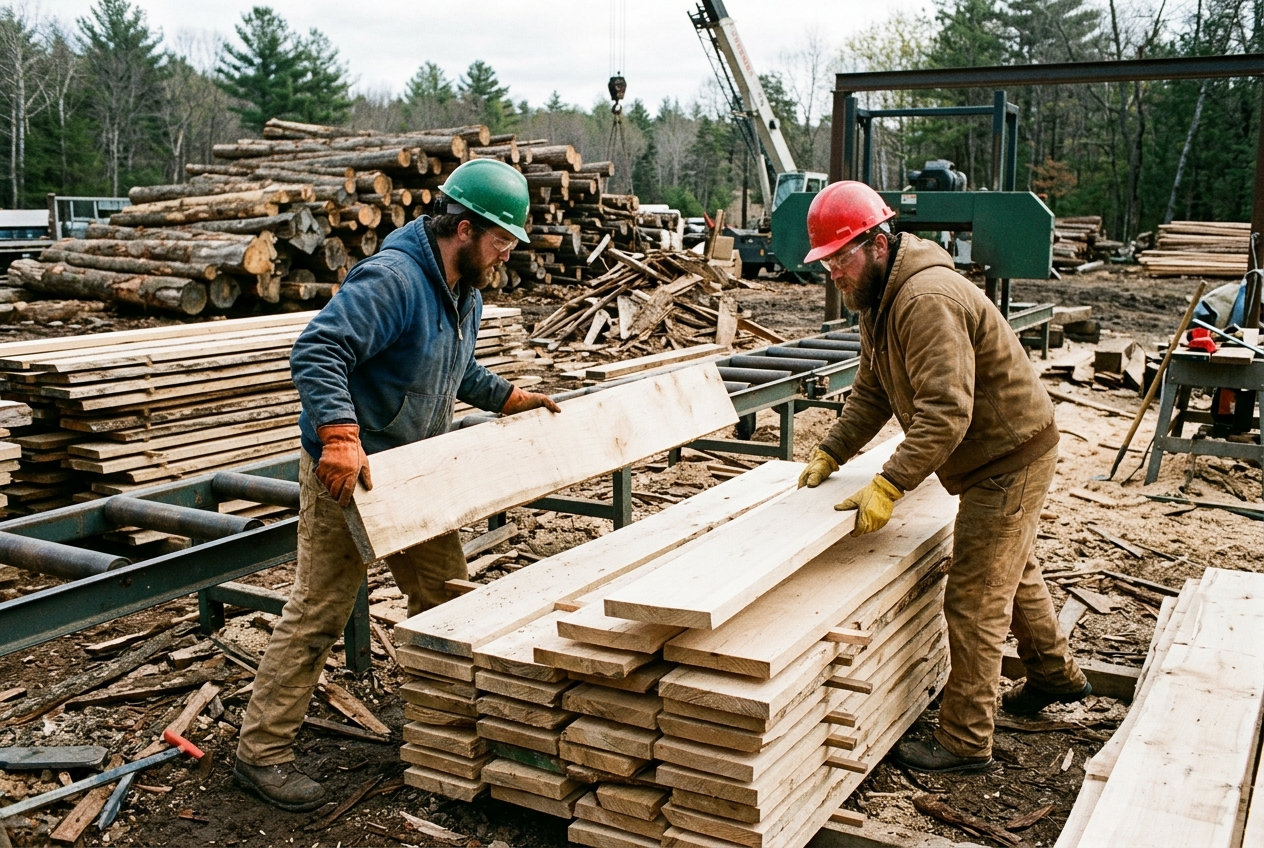
Both FSC and SFI certifications aim to promote responsible forestry practices, but they differ in their approach to environmental protection, social standards, and governance structures. Small sawmill operators need to understand how FSC and SFI certifications differ to choose the right program for their operations.
Environmental and Social Criteria
FSC maintains stricter environmental requirements than SFI. The FSC certification system requires protection of water quality, prohibits harvesting rare old-growth forests, and includes mandatory safeguards for endangered species habitats.
SFI focuses more on sustainable yield and forest regeneration. It allows logging in old-growth forests under certain conditions and has less restrictive guidelines for protecting sensitive ecosystems.
Social standards differ significantly between the two programs. FSC requires consultation with indigenous communities and local populations before harvesting begins. Workers must receive fair wages and safe working conditions.
SFI has fewer mandatory social requirements. It emphasizes community engagement but does not mandate indigenous rights protections at the same level as FSC.
Governance and Accreditation Processes
FSC operates as an international non-profit with a three-chamber governance structure. Environmental groups, social organizations, and economic interests each hold equal voting power in decision-making processes.
SFI began as an industry-created program in North America. Forestry companies and landowners have greater influence in its governance structure, though it includes some environmental and social stakeholders.
The accreditation processes differ in their audit frequency and independence. FSC requires annual surveillance audits and full assessments every five years by independent third-party certifiers.
SFI conducts audits on a similar schedule but allows more flexibility in audit scope. Both programs require chain-of-custody certification to track certified wood through the supply chain.
Market Recognition
FSC certification carries stronger recognition in international markets. European buyers and major retailers often specify FSC certification as a requirement for wood products. Environmental organizations generally endorse FSC over other certification programs.
SFI holds greater acceptance within North American markets. Many U.S. and Canadian forestry operations choose SFI because it aligns with existing regional forestry practices. Both certifications qualify for LEED green building credits.
Small sawmill operators targeting export markets typically benefit more from FSC certification. Those selling primarily to domestic buyers may find SFI adequate for their market needs.
FSC vs SFI Differences Explained
The fundamental difference lies in standards stringency and stakeholder involvement. FSC prioritizes conservation and social equity alongside economic viability. SFI emphasizes sustainable timber production with less restrictive environmental and social requirements.
Cost implications vary between programs. FSC certification generally costs more due to stricter audit requirements and compliance measures. SFI often proves more affordable for small operations already following standard forestry practices.
Certification timelines differ as well. FSC assessments take longer because auditors must verify compliance with more detailed criteria. SFI certifications can proceed faster for operations meeting baseline forestry standards.
Neither certification guarantees market success. Sawmill operators must evaluate their target customers, operational capacity, and long-term sustainability goals when choosing between programs.
Lumber Certification Pathways for Small Sawmill Operators
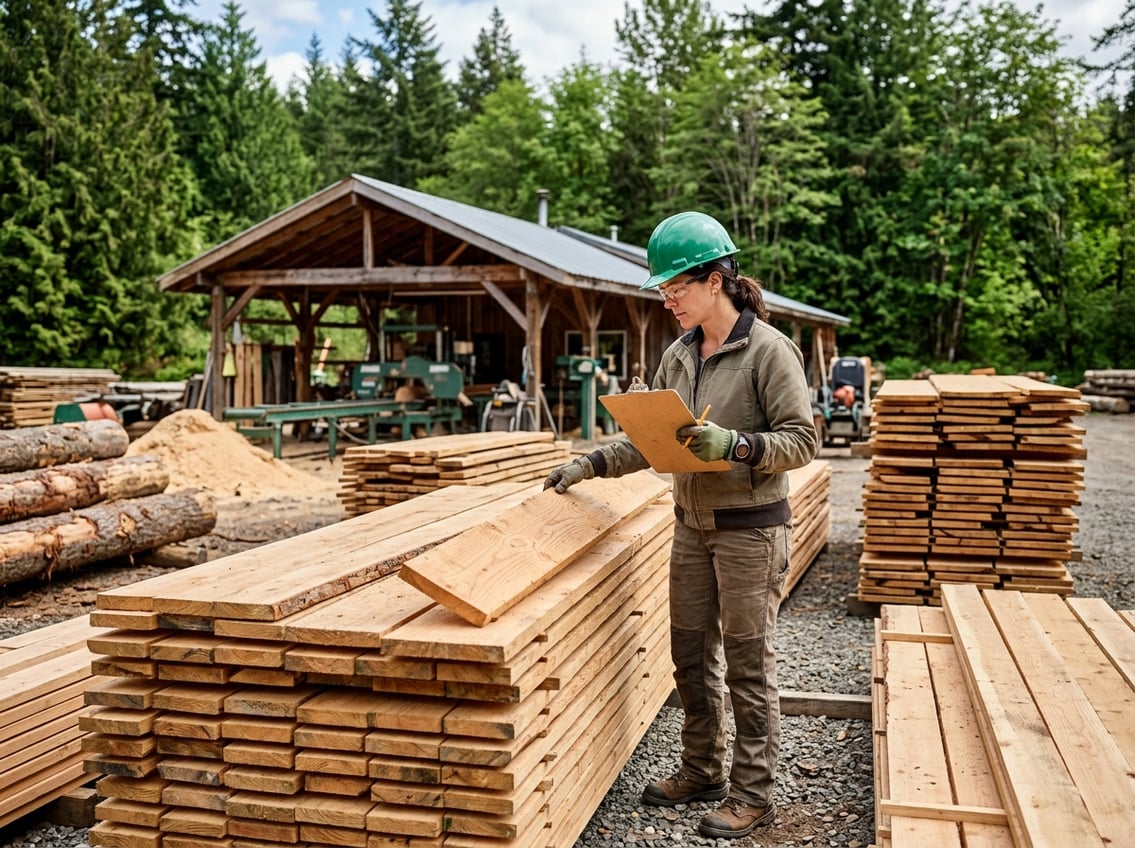
Small sawmill operators face different certification options than large forestry companies, with varying costs and requirements that affect their business decisions. The path to certification depends on whether operators own forestland, their target markets, and their budget for certification fees and audits.
Lumber Certification for Small Operators
Small sawmill operators typically pursue chain-of-custody certification rather than forest management certification. This distinction matters because chain-of-custody tracks wood products from certified forests through processing and distribution.
Operators who don’t own forestland need chain-of-custody certification to process and sell certified lumber. They must source raw materials from certified forests or suppliers with proper documentation.
The certification process requires operators to establish tracking systems that separate certified from non-certified materials. Both FSC and SFI chain-of-custody certifications qualify builders for LEED points, making either option valuable for market access.
Annual audits verify that operators maintain proper documentation and follow handling procedures. Small operators often find the certification costs and complexity challenging, particularly with FSC’s more detailed requirements.
Do I Need FSC Certification to Sell Lumber
Operators can sell lumber without any certification in most markets. Certification becomes necessary when buyers specifically require it or when operators want access to premium markets.
Large retailers, green building projects, and export markets frequently require certified wood products. Government contracts and commercial construction projects increasingly specify FSC or SFI certification in their procurement policies.
Operators serving local builders or direct-to-consumer markets typically don’t need certification. These customers often prioritize price and local sourcing over certification status.
The decision depends on the operator’s customer base and growth plans. Operators targeting residential remodeling or small construction projects usually operate successfully without certification.
Choosing the Right Certification
Small operators should evaluate certification based on their customers’ preferences and regional market conditions. FSC certification carries stronger recognition in international markets and among environmental groups.
SFI certification costs less for many North American operators and offers standards designed specifically for the region’s forestry practices. The choice often comes down to which certification buyers in the operator’s target market prefer.
Operators can obtain both certifications if their customer base values each standard differently. This dual approach increases market flexibility but doubles audit requirements and fees.
Many small operators start by surveying their existing and potential customers about certification preferences. They should request quotes from certification bodies for both programs before committing to either pathway.
Meeting FSC and SFI Certification Requirements
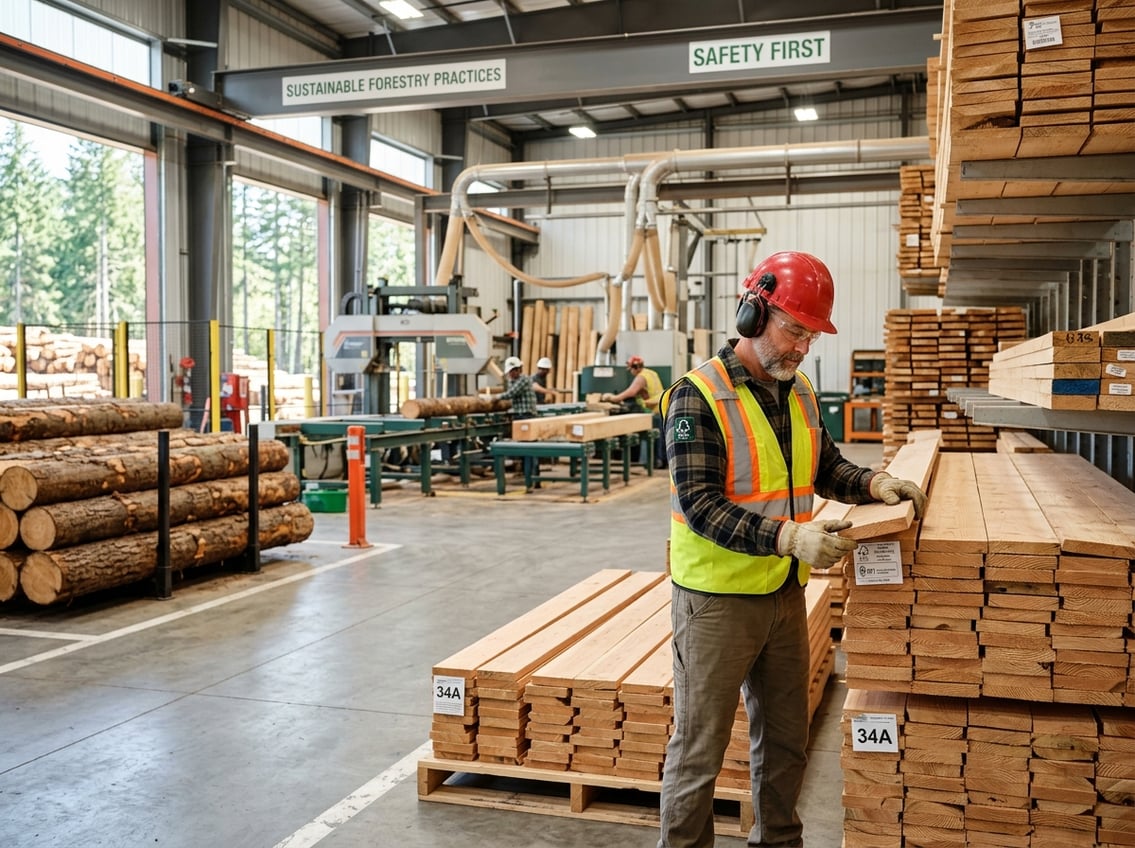
Both certification systems require sawmill operators to meet specific standards for forest management and product tracking. FSC emphasizes environmental conservation and community welfare, while SFI focuses on practical forestry standards developed for North American operations.
FSC Certification Criteria
FSC certification requires sawmill operators to source wood from forests that meet strict environmental and social standards. The program offers three main certificate types that small sawmills need to understand.
FSC Forest Management (FM) certification applies to actual forest operations. FSC Chain of Custody (CoC) certification tracks wood products from certified forests through the supply chain. FSC Controlled Wood certification ensures that wood comes from acceptable sources even when not fully certified.
Small sawmill operators must demonstrate they can track certified materials separately from non-certified materials. They need documented procedures for handling, storing, and processing FSC-certified wood.
Certification costs and complexity can be barriers for small forest owners. The audit process requires annual surveillance visits and full reassessment every five years. Operators must maintain detailed records of wood sources, volumes, and sales to customers.
SFI Certification Requirements
SFI certification requirements aim to balance environmental, economic, and social considerations for North American forestry operations. The program includes standards for fiber sourcing, forest management, and chain of custody.
Small sawmills primarily need SFI Fiber Sourcing certification to verify they source wood responsibly. This certification requires documented procedures for tracking wood from certified forests, meeting logger training requirements, and avoiding controversial sources.
SFI standards include specific requirements for:
- Training programs for loggers and forestry professionals
- Protection of water quality and biodiversity
- Use of best management practices
- Compliance with applicable laws
The certification process involves third-party audits conducted by accredited certification bodies. Sawmill operators must keep records showing compliance with all applicable standards. Annual audits verify continued adherence to program requirements.
Chain of Custody and Labeling Options
Chain of custody certification tracks wood products from certified forests through processing to final sale. Both FSC and SFI require sawmills to implement systems that prevent mixing certified and non-certified materials.
Sawmill operators can choose from different control methods. The transfer system requires complete separation of certified materials. The percentage system allows mixing but requires careful tracking of certified content ratios. The credit system lets operators claim certified outputs based on certified inputs over time.
Labeling requirements differ between the two programs. FSC allows on-product labels when materials meet minimum certified content thresholds. SFI labels indicate certified fiber sourcing rather than specific product certification.
Both programs require operators to maintain detailed records including supplier information, product volumes, and sales invoices. Documentation must prove the certified status of materials throughout the production process.
The Certification Process: Steps for Small Sawmills
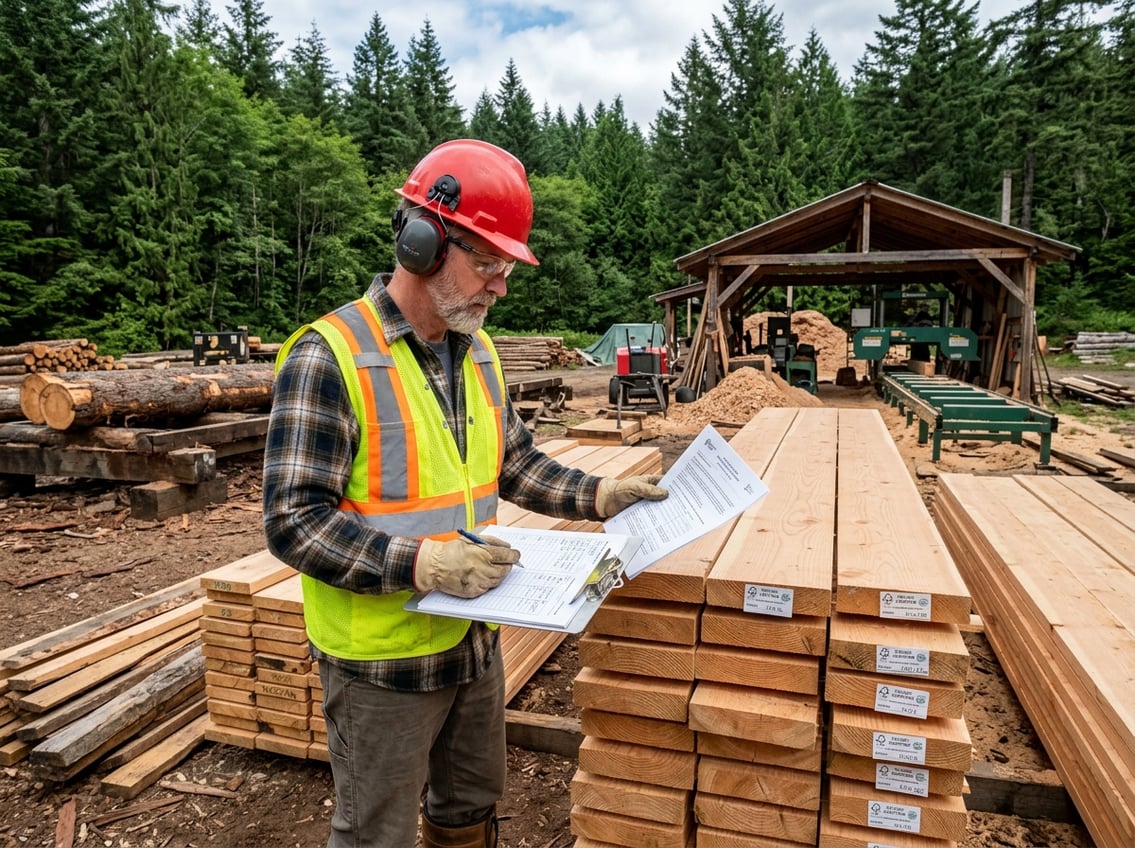
Both certification systems require sawmill operators to follow specific steps and meet ongoing requirements. The process involves initial applications, documentation reviews, on-site inspections, and regular audits to maintain compliance.
How to Get FSC Certified
Small sawmill operators must first contact an FSC-accredited certification body to begin the application process. The operator submits documentation about their forest management practices, chain of custody procedures, and business operations.
An auditor then conducts a pre-assessment visit to identify any gaps between current practices and FSC standards. This step helps sawmill owners understand what changes they need to make before the full audit.
The certification body performs a comprehensive on-site audit examining harvest practices, worker safety, environmental protections, and record-keeping systems. FSC offers options for small operations through their step-by-step certification guide, which covers single operations and group certification models.
Group certification allows multiple small sawmills to share audit costs and administrative work. A group manager coordinates compliance across member operations, making certification more affordable for small businesses.
SFI Audit and Application Steps
Sawmill operators pursuing SFI certification start by contacting an SFI-approved certification body. They must demonstrate adherence to sustainable forestry practices outlined in the SFI standards.
The certification process includes submitting operational data, forest management plans, and procurement records. An auditor reviews these documents and schedules an on-site inspection of the facility and timber sourcing areas.
During the audit, inspectors verify compliance with SFI requirements for forest management, fiber sourcing, and chain of custody. Small landowners can access specialized certification modules designed for their operations.
The SFI chain of custody certification tracks certified products through every stage from timber operations to final manufacturing. This ensures proper documentation follows materials through the entire supply chain.
Maintaining Certification and Compliance
Both FSC and SFI require annual surveillance audits to verify ongoing compliance with standards. Sawmill operators must maintain detailed records of timber sources, production volumes, and sales transactions.
Certification bodies conduct unannounced audits to check that operations continue meeting all requirements. Operators need to implement corrective actions quickly if auditors identify any non-conformities.
Annual fees cover administrative costs and audit expenses. Small sawmills must budget for these recurring costs plus any improvements needed to maintain compliance with updated standards.
Operators should train staff on certification requirements and document all procedures. Regular internal audits help identify potential issues before official inspections occur.
Cost and Practical Considerations
From experience: Will researched both FSC and SFI certification when a previous employer was offering to cover the cost — that’s how he got a real handle on the differences between them. Operating independently now, he hasn’t followed through with formal certification yet, but the groundwork is there if market demand makes it worth pursuing.
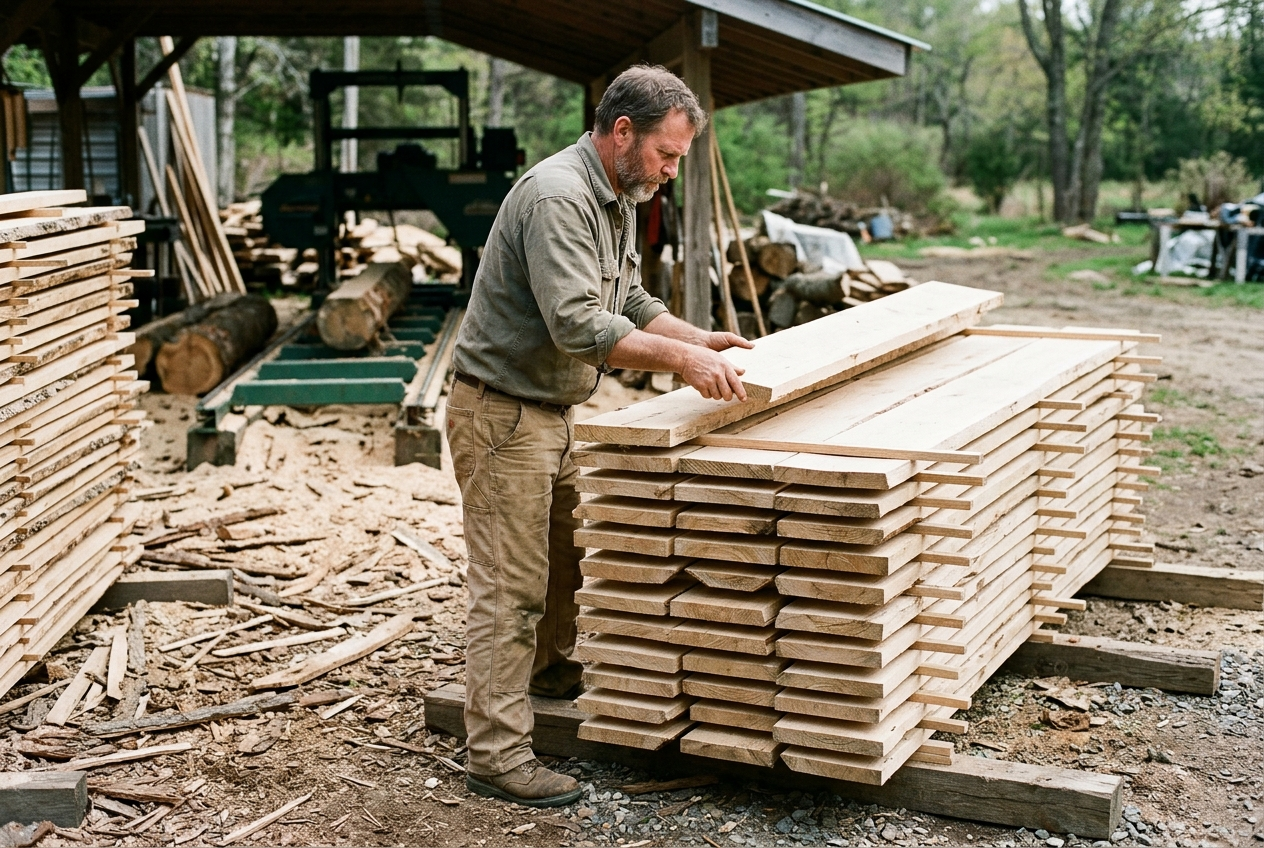
Small sawmill operators face different financial barriers and operational demands when pursuing FSC versus SFI certification. The cost of certification for small landowners varies significantly based on the complexity of forest operations and which standard they choose.
FSC Certification Cost for Small Sawmill
FSC certification typically costs more than SFI for small sawmill operations. The higher expense comes from more extensive audit requirements and stricter documentation standards.
Small sawmills can expect to pay between $2,000 and $10,000 for initial FSC certification. Annual surveillance audits add another $1,500 to $5,000 each year. The wide range depends on the size of the operation and the number of products being certified.
Chain of custody certification is required for both systems if a sawmill wants to make certification claims on products. This adds separate costs on top of forest management certification. Many small operators find these combined expenses challenging to absorb.
Resource and Time Commitments
The certification process typically takes 6-12 months for FSC compared to 4-8 months for SFI. FSC requires more detailed record-keeping and monitoring systems.
Small sawmills need staff time to prepare documentation and manage ongoing compliance. This includes tracking wood sources, maintaining inventory records, and preparing for annual audits. Operations with limited administrative staff often struggle to meet these demands.
SFI standards were designed with North American forestry practices in mind, making implementation more straightforward for small domestic sawmills. FSC’s global standards sometimes require additional adaptations to local operations.
Financial Assistance and Support
Several programs help small sawmills offset certification costs. Group certification schemes allow multiple small operators to share audit expenses and administrative burdens.
FSC offers group certification options where a central manager handles much of the paperwork for participating sawmills. This can reduce individual costs by 40-60% compared to standalone certification.
Some state forestry agencies and conservation organizations provide grants or cost-sharing programs for sustainable forestry certification. These programs vary by region and may favor one certification system over another based on local priorities.
Maximizing Market Opportunities with Certification
Certification opens doors to premium buyers and green building projects while helping small sawmills stand out in competitive markets. The right certification can increase prices by 5-15% and attract environmentally conscious customers who prioritize verified sustainable practices.
Accessing Certified Lumber Markets
Certified lumber grants access to markets that non-certified operators cannot reach. Major retailers like Home Depot and Lowe’s prefer or require certified wood products for specific product lines. Green building programs such as LEED award points for certified materials, making certified lumber essential for construction projects seeking environmental certifications.
Government contracts and institutional buyers often mandate certified wood in their procurement policies. Schools, universities, and public buildings increasingly specify FSC or SFI certification in their purchasing requirements. This creates a stable customer base for certified sawmills.
Export markets particularly value certification. European buyers strongly prefer FSC certification, while North American markets accept both FSC and SFI. Small operators targeting international sales find certification removes barriers to entry in foreign markets.
Benefits for Small Operators
Small forest owners face certification costs and complexity as barriers, but group certification programs reduce these challenges. Multiple small sawmills can share audit costs and administrative burdens through cooperative certification schemes.
Price premiums for certified lumber typically range from 5-15% depending on species and market conditions. These premiums help offset certification expenses within 2-3 years for most operations. Some specialty markets pay even higher premiums for rare species with verified sustainable sourcing.
Certification also improves operational efficiency. The required documentation and tracking systems help small operators identify waste, optimize inventory, and streamline processes. Many sawmills report cost savings from improved management practices that certification demands.
Building Customer Trust with Certification
Third-party verification provides credibility that self-reported sustainability claims cannot match. Customers see certified operators as transparent businesses willing to submit to independent audits. This trust translates into repeat business and customer loyalty.
Both FSC and SFI are voluntary certification systems that demonstrate commitment to environmental and social responsibility. The visible certification labels on lumber products communicate this commitment at the point of sale.
Marketing certified products becomes easier with recognized logos and standardized claims. Small sawmills can leverage certification in their promotional materials, websites, and product packaging. The certification serves as a quality signal that reduces customer research time and builds confidence in purchasing decisions.
Written by Jason Lewis, a sawmill operator familiar with forestry certification and what it takes for a small mill.