
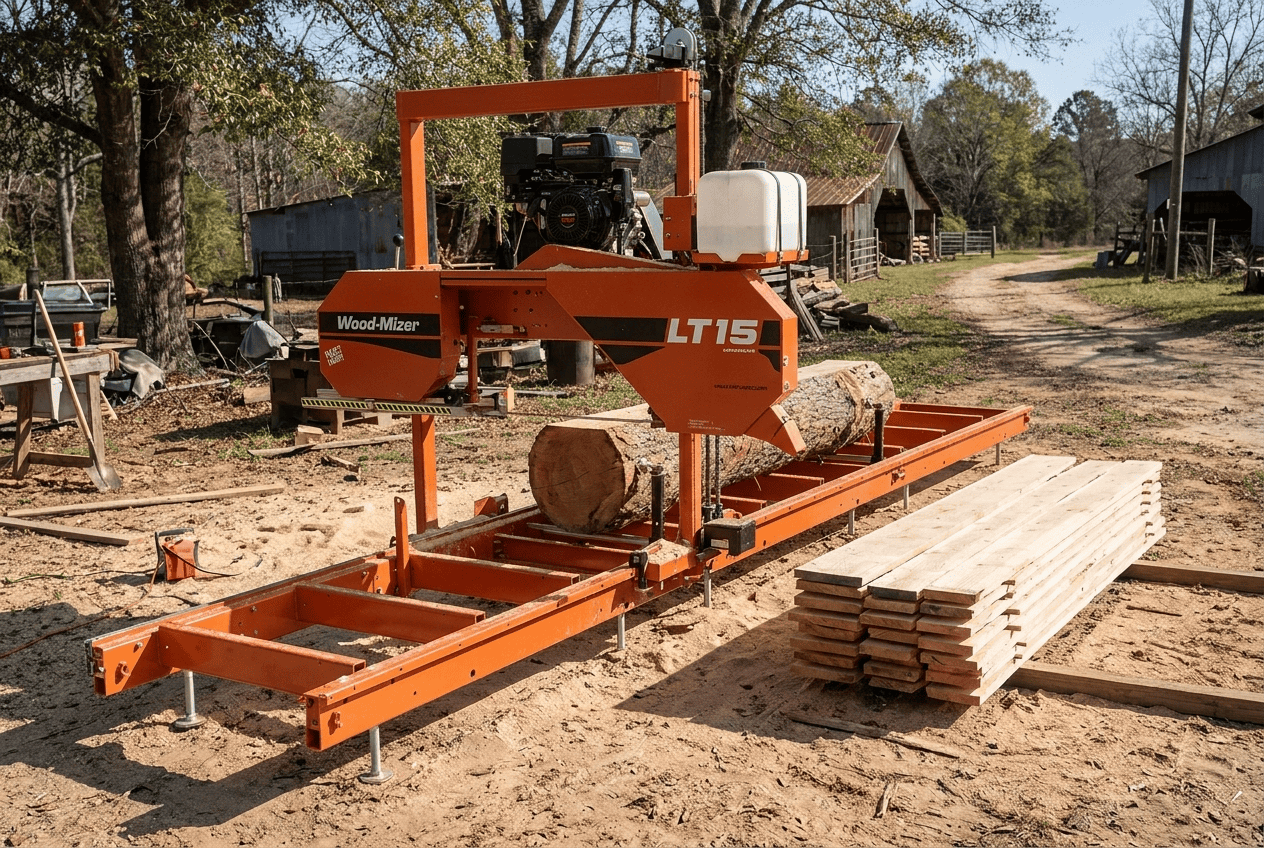
Quick Answer: Most portable sawmill owners earn between $20 and $60 per hour of actual sawing time. A weekend operation typically brings in $5,000–$20,000 a year, a full-time custom-sawing business generally grosses $50,000–$100,000, and operators who add value-added products like live-edge slabs can push well past that. Your real number depends on your rates, your mill’s production speed, and how steadily you can keep logs on the deck.
A portable sawmill is a towable band or circular mill that cuts logs into dimensional lumber on site — which is exactly why customers pay for it: the mill comes to the log instead of the log going to a mill.
The first check we ever cashed off our Wood-Mizer LT15 was $340 for an afternoon of sawing a neighbor’s storm-downed red oak — and I remember thinking, “there’s a business in this.” Ten-plus years of milling upper-Midwest hardwoods later, I can tell you exactly how much you can make with a portable sawmill: more than most people expect per hour, and less than the YouTube thumbnails promise per year. In this guide I’ll break down real 2026 sawing rates, the day-to-day math from our own mill, the four ways sawmill money actually gets made, and the costs that quietly eat your margin.
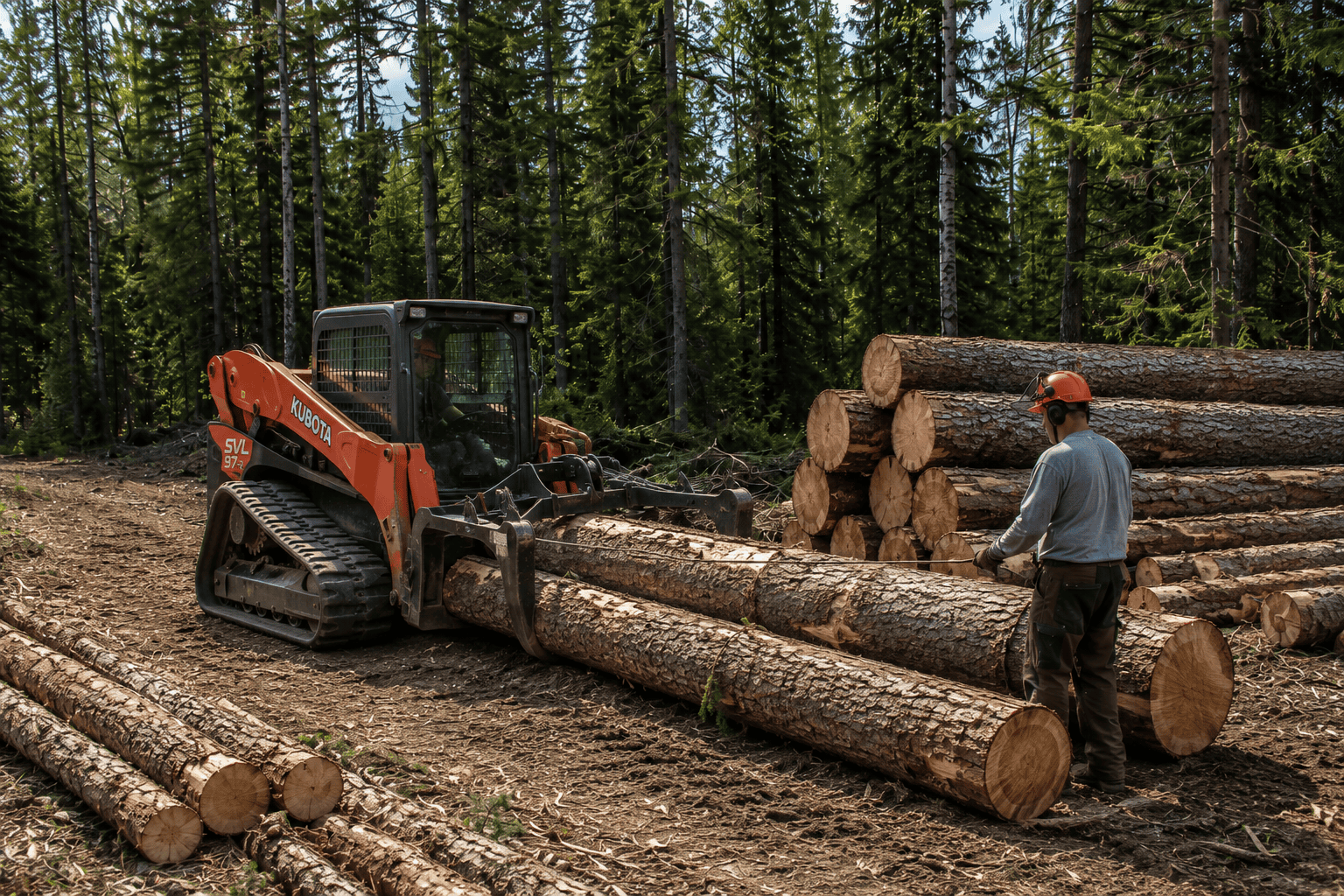
Last Updated: August 2026 | Jason Lewis has run a Wood-Mizer LT15 for ten-plus years of custom sawing in the upper Midwest; every rate and day-rate figure here comes from that logbook.
Portable Sawmill Income: What the Numbers Really Look Like
Income from a portable sawmill scales with how you run it. A guy sawing his own fence boards on Saturdays “makes” money by not buying lumber. A full-time mobile sawyer with a hydraulic mill and a booked calendar is running a genuine trade business. Here’s the honest range I’ve seen across our region and the operator forums, from hobby to full-time:
| How You Run It | Typical Gross Income | What It Takes |
|---|---|---|
| Hobby / milling your own lumber | $3,000–$10,000/yr in lumber savings | Manual mill, your own logs, weekends |
| Part-time custom sawing | $10,000–$30,000/yr | 8–12 paid days a month, local word of mouth |
| Full-time custom sawing | $50,000–$100,000/yr gross ($35,000–$65,000 net) | Hydraulic mill, steady bookings, 3–4 billable days/week |
| Full-time + value-added products | $75,000–$150,000+/yr | Slabs, drying capacity, retail customers, marketing |
Notice the gap between gross and net on the full-time row. Blades, fuel, travel, maintenance, and insurance typically take 30–40% off the top — we’ll get to that below.
What You Can Charge for Custom Sawing in 2026
Custom sawing is priced three ways: by the board foot, by the hour, or by the day. Around our part of the upper Midwest, here’s what the market looks like right now:
| Pricing Method | Going Rate (2026) | Best For |
|---|---|---|
| Per board foot | $0.35–$1.00/BF (specialty and wide slabs $1.00–$2.00+) | Clean, uniform softwood or straightforward hardwood jobs |
| Hourly | $75–$155/hr (wide-cut premium mills $200–$250) | Dirty logs, odd requests, customers who change their minds |
| Day rate | $300–$600+ | Multi-day jobs at one site |
| Setup / travel fee | $50–$150 per site | Mobile jobs beyond your local radius |
| Blade-strike fee | $30–$50 per ruined blade | Yard trees — always put this in writing |
We quote hourly on yard trees every single time. The first nail you hit settles the argument for you: a destroyed blade plus twenty minutes of changeover is the customer’s problem at an hourly rate and your problem at a board-foot rate. For clean logging-job hardwood, board-foot pricing rewards an efficient operator — the faster you saw, the more you earn per hour.
The Real Math: One Day of Custom Sawing on Our Mill
Here’s an actual representative day on our LT15 — a manual mill, remember, so hydraulic owners will beat these production numbers. Sawing a customer’s pile of red oak logs into 4/4 boards:
- Production: about 1,500 board feet over a full sawing day
- Gross at $0.45/BF: $675
- Blades: two to three sharp blades rotated through, call it $35–$45 in sharpening and wear
- Fuel: $15–$25 for the mill, plus the truck if it’s a mobile job
- Wear, maintenance, and belt money: another $20–$30 honestly accounted
Net for the day lands around $550–$600 before taxes and insurance — roughly $55–$70 per working hour. That’s real money for outdoor work you control. The catch is that nobody bills 250 days a year. Between weather, maintenance, log supply, and the customer who cancels because his brother-in-law suddenly owns a chainsaw, most full-time sawyers I know bill 120–170 days. That’s how a $675 gross day becomes a $60,000–$90,000 gross year — not a $170,000 one.
If you want to sanity-check any job quote, run the log pile through our board foot calculator first — knowing the yield before you drop the tailgate is the difference between quoting and guessing.
Four Ways Portable Sawmill Owners Actually Make Money
1. Custom / Mobile Sawing
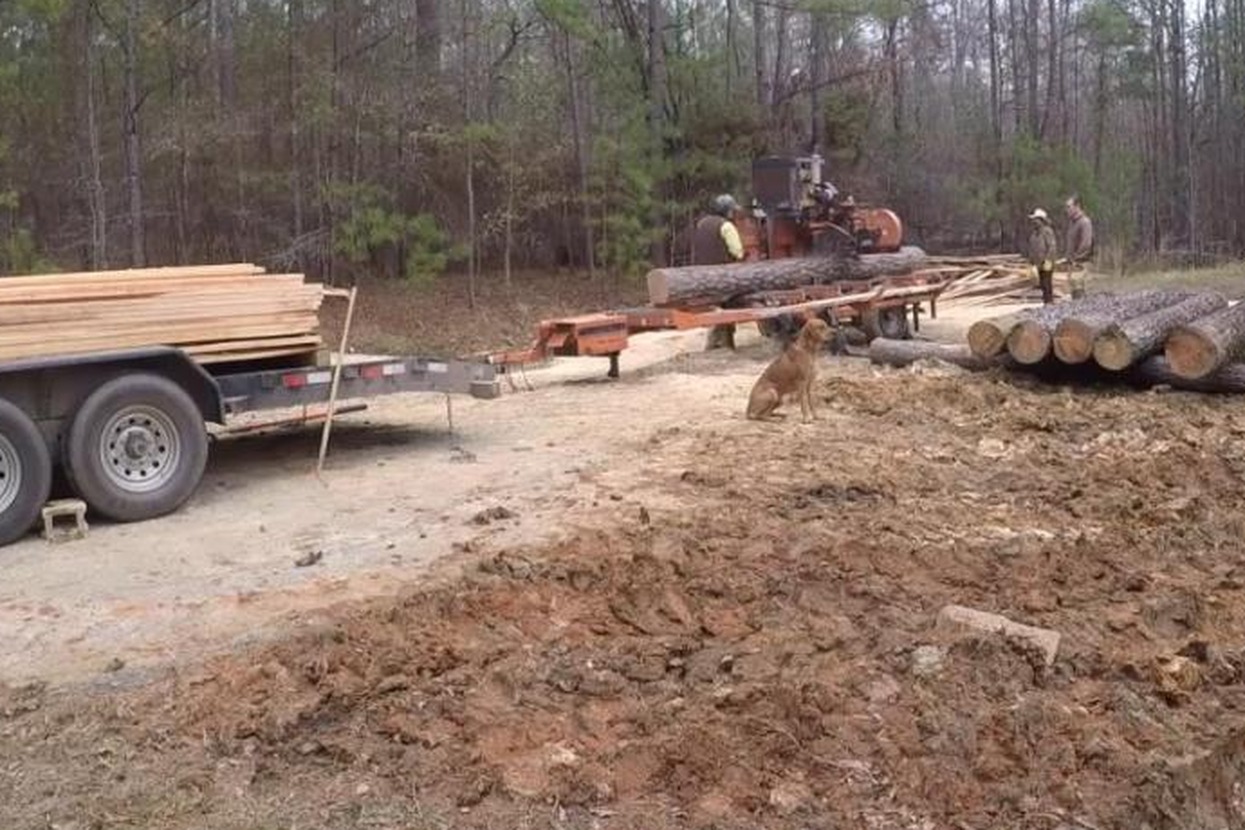
The fastest path to revenue: other people’s logs, your mill, paid by the board foot or hour. No inventory, no drying time, no retail hassle. The ceiling is your production speed and your booking calendar.
From experience: my best-paying jobs have been sawing good old logs into wide live edge table tops. Any time you can saw something for the finished user instead of selling rough stock, the middleman’s markup goes into your own pocket.
2. Selling Sawn Lumber
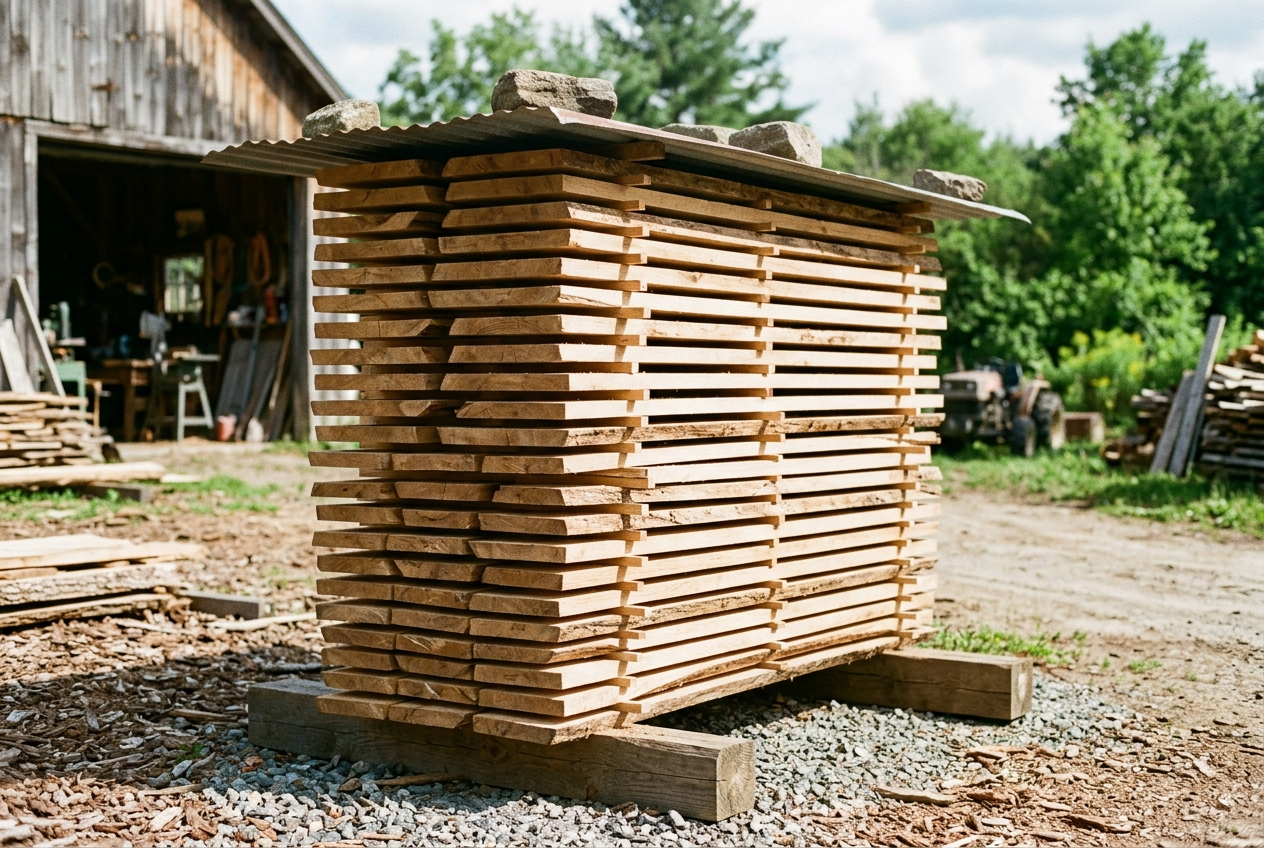
Buy or salvage logs, saw on spec, sell green or air-dried. Margins are better than custom sawing but your cash sits in stickered stacks for months while it dries. You’ll never beat the box store on construction lumber — sell what they can’t stock: quartersawn white oak, thick 8/4 hardwood, local species with a story.
3. Live-Edge Slabs and Value-Added Products
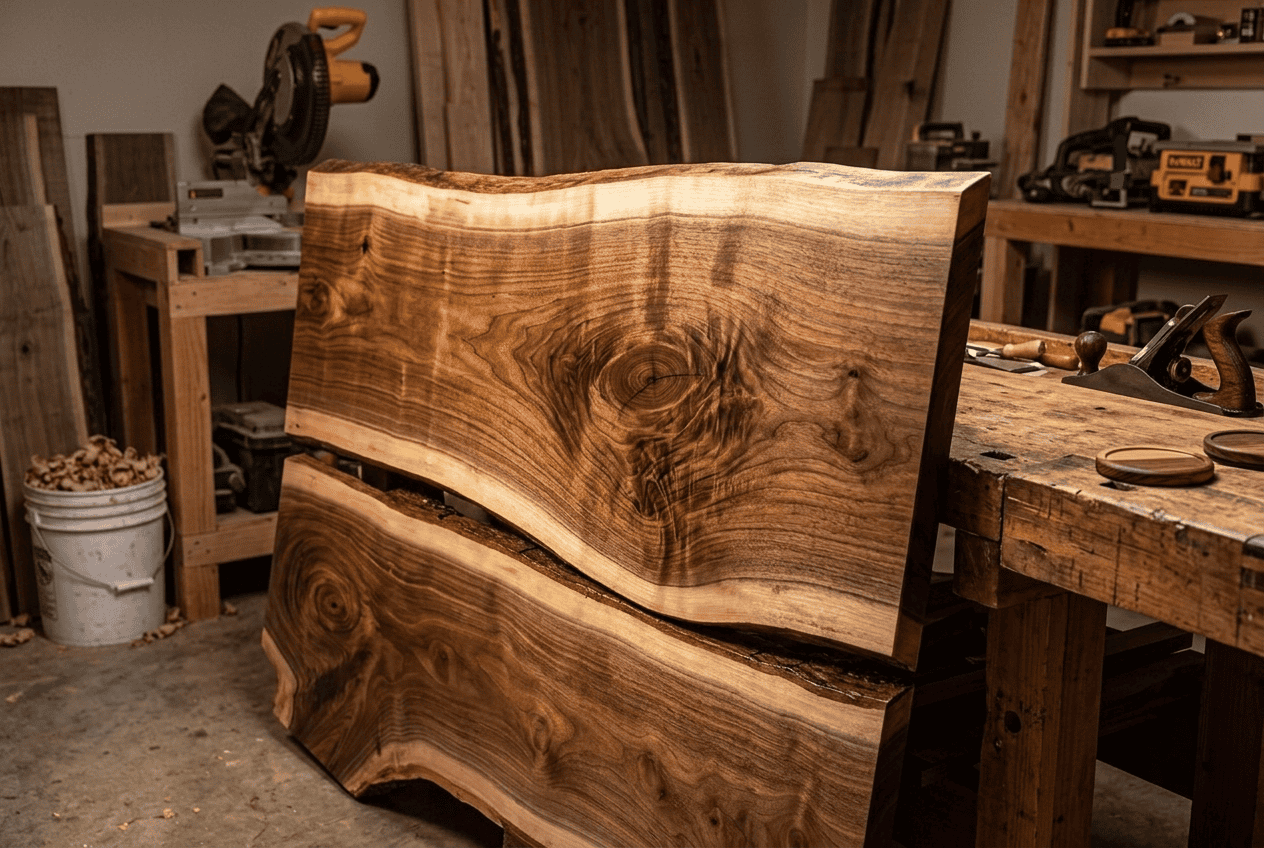
This is where the margin lives. A walnut log that’s worth $200–$400 as boards can be worth several times that as dried, flattened live-edge slabs sold to furniture makers. Operators around here get $10–$25+ per board foot for kiln-dried walnut slabs. The trade-off is time: drying, flattening, storage, and finding retail buyers is a second business bolted onto your sawing business.
4. Byproducts and Add-On Services
Slabwood bundles for firewood, sawdust to horse barns, custom beam cutting for timber framers, and milling on-site for barn restorations. None of it is big money alone, but it turns waste into gas money and keeps the phone ringing.
What Eats Your Profit (Plan for These or Lose Them)
Every new sawyer underestimates the same five costs. Blades are the big one — figure $25–$45 per sharp blade delivered, and a blade only lives so many sharpenings. Fuel for mill and truck. Maintenance: belts, guide rollers, drive components. Insurance — liability coverage matters the day a customer’s kid wanders toward the mill. And the silent one: unbillable time spent moving the mill, handling logs, stacking lumber, and talking to customers. If your all-in costs aren’t 30–40% of gross, you’re probably forgetting something. Your mill payment sits on top of all of it, which is why I always tell new operators to buy the mill their cash flow can carry — our guide to portable sawmill costs at every price tier breaks down what that payment actually looks like.
So Is a Portable Sawmill Worth It?
As a business: yes, if you treat it like one. The demand is real — storm cleanup, ash die-off, landowners sitting on timber, furniture makers hunting slabs. The operators who fail aren’t bad sawyers; they’re good sawyers who never charged enough, never tracked costs, and financed too much mill before the phone was ringing. Start part-time, price properly from day one, and let bookings pull you into full-time.
As a lumber source for your own projects, the math is even simpler — the mill pays for itself in avoided lumber cost, usually within a few years of steady use. If you’re still choosing a machine, start with our complete guide to portable sawmills, then narrow it down with our picks for the best portable sawmill for the money.
Frequently Asked Questions
Can you make a living with a portable sawmill?
Yes, but plan on building to it rather than jumping in. A full-time custom sawyer with a hydraulic mill and steady bookings can net $35,000–$65,000 a year, and more with value-added products. Most successful full-timers we know started part-time and went full-time only when demand forced the decision.
How much should I charge to mill lumber?
In 2026, typical custom rates are $0.35–$1.00 per board foot or $75–$155 per hour, plus a setup or travel fee for mobile work. Charge hourly for yard trees and dirty logs, and always put a $30–$50 blade-strike fee in writing before you make the first cut.
How many board feet can a portable sawmill cut in a day?
A manual mill like our LT15 produces roughly 1,000–1,800 board feet in a full day depending on log size and the cut list. Hydraulic mills in the LT40 class routinely double that, with experienced crews hitting 3,000–4,000 board feet on production days.
Will a portable sawmill pay for itself?
Usually within one to three years if you saw regularly. An entry-level bandmill sawing $5,000–$10,000 of lumber or custom work a year covers its own price tag quickly — the operators who struggle are the ones making payments on a $40,000 mill with no customer base yet.
What sells best from a portable sawmill?
Live-edge slabs, thick 8/4+ hardwood, quartersawn boards, and custom beams — the material box stores can’t stock. Dried walnut and oak slabs bring the highest per-board-foot prices, while custom sawing services provide the steadiest cash flow.
The Bottom Line
You can absolutely make money with a portable sawmill — $500-plus gross days are normal for a booked custom sawyer, and the slab market keeps rewarding operators willing to dry and finish what they cut. Just build the business on real math: honest rates, tracked costs, and a mill sized to your cash flow, not your ambitions. Got a log pile and you’re wondering what it’s worth? Start with the board foot calculator, price it at local rates, and you’ll have your answer before the first blade touches wood.